How to Sing in a Choir: Mastering Vocal Blend and Balance
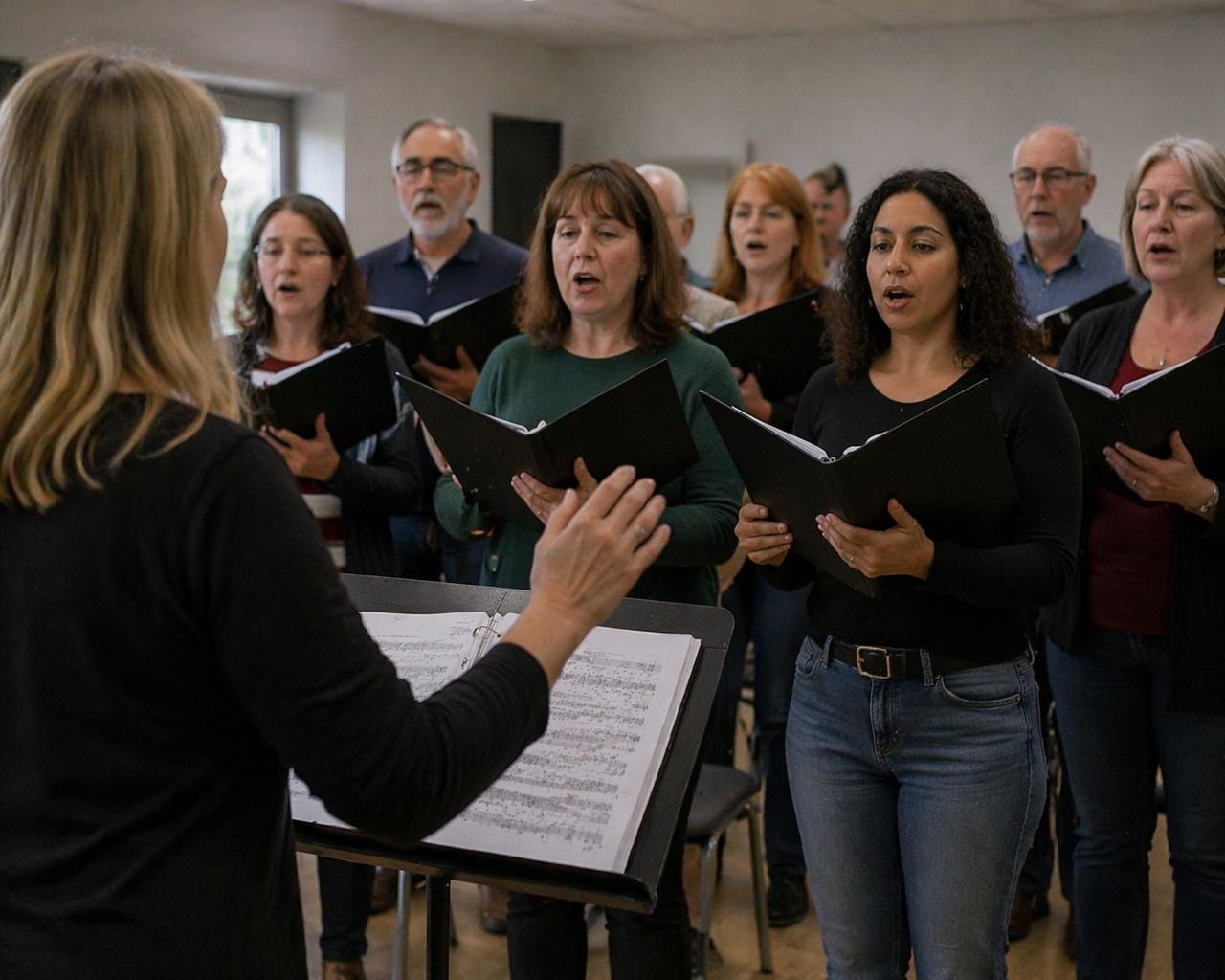
There's nothing quite like the sound of a well-blended choir — voices weaving together in perfect harmony, each singer contributing to a sound far greater than any individual voice. Whether you're new to choral singing or looking to refine your ensemble skills, understanding how to blend your voice is essential. Through online singing lessons with celebrity vocal coach Matt Thompson, choir singers worldwide are learning the professional techniques that transform a group of voices into one unified, breathtaking sound.
With over 25 years of experience training recording artists, West End performers, and choir members, Matt has developed proven methods for achieving that elusive choral blend. The secret isn't about singing quietly or suppressing your voice — it's about control, listening, and understanding your role within the ensemble.
What Is Vocal Blend and Why Does It Matter?
Vocal blend is the art of making multiple voices sound like one unified instrument. In a choir, the goal isn't to stand out — it's to contribute to a collective sound that's balanced, warm, and harmonious. Great choral blend requires each singer to match their tone quality, vowel shape, dynamics, and articulation with those around them. This doesn't mean losing your individuality; it means using your vocal skills in service of the group.
When a choir achieves true blend, the result is magical. The sound becomes richer, more resonant, and emotionally powerful. Audiences don't hear individual voices — they hear one magnificent instrument.
Five Essential Techniques for Choral Singing
Here are the core techniques that professional choir singers use to create that seamless blend:
- Match Vowel Shapes: Choirs sing on vowels, not consonants. Ensure your "ah" sounds the same as the person next to you — mouth shape, tongue position, and lip rounding must be identical. Record yourself singing with the choir and listen for differences in vowel colour.
- Control Your Dynamics: Choral dynamics aren't personal. When the score says piano, every voice must be equally soft. Practice singing at different dynamic levels while maintaining consistent tone quality. Many singers default to mezzo-forte — resist this tendency.
- Breathe Together: Nothing disrupts choral blend like staggered breathing. Mark your breath points in the score and follow the conductor's gestures. In passages without obvious breath marks, plan sneaky breaths at natural phrase endings or during rests.
- Blend Your Tone Colour: Bright, forward voices need to warm up their sound. Dark, covered voices need to add brightness. The goal is a unified medium — neither too operatic nor too pop. Listen to the section leader and match their tone.
- Balance the Chord: In four-part harmony, the melody should be slightly prominent, but inner voices must be clearly audible. Bass provides the foundation. If you're singing an inner part, don't hide — project with confidence while staying within the ensemble texture.
Preparing for a Choral Performance
Performance preparation for choir singing involves more than just knowing your notes. Here are the steps Matt Thompson recommends for his students:
- Know Your Part Inside Out: Practice your part until you can sing it confidently without the score. This frees you to listen to others and watch the conductor.
- Record Sectionals: Use your phone to record your section rehearsals. Listen back and check your pitch accuracy, vowel matching, and dynamic control against the other voices.
- Visualise the Sound: Before performing, close your eyes and imagine the ideal blended sound your choir produces. This mental preparation significantly improves your focus and listening.
- Warm Up Properly: A good choral warm-up includes humming, gentle sirens, and singing through your full range on soft dynamics. Avoid blasting your voice before the performance — save your energy for the music.
- Trust the Conductor: Your conductor is your guide. Watch their gestures for dynamics, phrasing, and emotional direction. The best choral singers have an almost telepathic connection with their conductor.
Ready to Transform Your Choral Singing?
Enquire about an online singing lesson with Matt Thompson and discover the techniques professional choir singers use to achieve perfect blend. Whether you're preparing for a concert, audition, or simply want to improve your ensemble skills, Matt's 25+ years of experience will help you find your voice within the choir.
Enquire about a £25 Consultation →Common Mistakes Choir Singers Make
Even experienced choral singers can fall into habits that disrupt blend. Avoid these common pitfalls:
Singing with too much vibrato: While vibrato is beautiful in solo singing, excessive vibrato in a choir creates a wobbly, unfocused sound. Practice singing with a straight tone for choral repertoire — you can add subtle warmth without wide vibrato.
Over-singing: Many singers equate good singing with loud singing. In a choir, over-singing destroys balance and tires your voice. Sing at 80% of your full capacity — this gives you control, stamina, and the ability to blend.
Ignoring the text: Choral music tells a story. If everyone sings the words with the same understanding and emotional commitment, the blend improves automatically. Discuss the text meaning with your fellow singers.
Matt Thompson is a celebrity vocal coach with 25+ years experience teaching recording artists, West End performers, and complete beginners. He teaches online singing lessons worldwide from his mobile studio, specialising in vocal technique, performance preparation, and vocal health.